- ABC of Mental Health
- Posts
- Breaking Up With an Undesirable Habit


Hello! Welcome to another edition of ABC of Mental Health, your partner in the journey to better mental health, one newsletter at a time.
We often talk about habits as things to fix, eliminate, or control. But many “undesirable” habits didn’t start as problems, they started as solutions. They soothed, distracted, protected, numbed, energised, or helped you survive a particular season of life. Breaking up with a habit, then, isn’t about force or shame. It’s about understanding why it stayed, what it offered, and whether it still belongs in your life today.
If you like what you read here, click to share this newsletter via WhatsApp today! 😊
One relevant recommendation:
Watch How to Change Habits Without Willpower (12 minute video)
This video by Dr. Judson Brewer, psychiatrist and neuroscientist, explores how habits form in the brain. In this talk, he explains how the brain repeats habits because they feel rewarding, even when they no longer serve us. When we learn to notice what a habit gives us (relief, distraction, comfort, stimulation), we can begin to choose something that meets that same need in a healthier way. This approach replaces shame with understanding and that’s what allows real change to stick.
Two Quotes Being Organized:
B. J. Fogg, an American social scientist and author, talks about how habits are more sustainable if they start small:
“You don’t change by trying harder. You change by designing smaller behaviors that fit your life.”
James Clear, a writer, speaks about the relationship between wish and action:
“Every action you take is a vote for the type of person you wish to become.”
Three TherapyShorts from TST:
Why It’s Hard to Let Go of a Habit You ‘Hate’
If a habit keeps returning, it’s usually doing something important for you. It might regulate emotion, create predictability, distract from discomfort, or offer relief when things feel overwhelming. Calling it “bad” doesn’t weaken it, rather it often strengthens it through shame. Habits aren’t stubborn; they’re loyal. Loyal to a version of you that needed support. When you understand the role a habit plays, you stop seeing it as an enemy and start seeing it as outdated protection. Letting go becomes possible when you thank the habit for what it did, while choosing something gentler for who you are now.Ghosting a Habit Rarely Works
Many of us try to disappear from our habits cold turkey, with complete avoidance and suppression, but habits don’t like being ghosted. They come back louder, especially during stress, loneliness, or exhaustion. This isn’t lack of discipline; it’s how the brain seeks familiarity under pressure. Sustainable change comes from replacement, not removal. If a habit helped you regulate, what else could offer regulation? If it gave relief, what else could soften the edge? Habits fade when a new option feels safer, easier, or kinder. You don’t have to erase the habit, you just have to give your system a better choice.
Breaking Up Is About Boundaries, Not Control
Breaking up with a habit doesn’t mean you failed at it: it means your needs have evolved. Healthy change sounds like: “I know why you’re here, and I don’t need you in this form anymore.” Boundaries are different from force. Force triggers rebellion, while boundaries create clarity. You can expect urges without acting on them. You can slip without starting over. Each pause, each moment of choice, weakens the old pattern and strengthens a new one. Change doesn’t happen in dramatic exits. Change happens in repeated moments of choosing something slightly more aligned.
A QUICK QUESTION…
What does your relationship with an undesirable habit feels most like? Vote here!
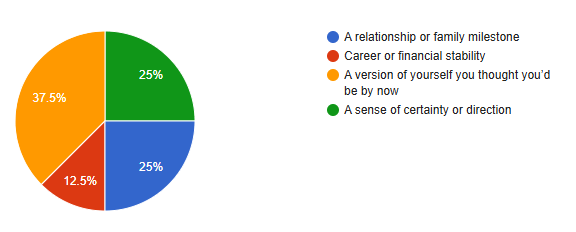
Last week, we asked you what you find yourself grieving the most right now, and the responses were… (drumroll please)…
With care and compassion,
The Social Therapist
Reply