- ABC of Mental Health
- Posts
- Building Winter Self-Care Rituals


Hello! Welcome to another edition of ABC of Mental Health, your partner in the journey to better mental health, one newsletter at a time.
As winter arrives, our bodies and minds naturally begin to slow down. The shorter days, colder air, and quieter mornings often invite us inward—toward rest, reflection, and gentler ways of being. Instead of fighting this shift, this week we explore how winter can also mean building rituals that soothe, ground, and strengthen us.
If you like what you read here, click to share this newsletter via WhatsApp today! 😊
One relevant recommendation:
Create a Winter Self-Care Corner
A cozy ritual spot—no matter how small—can become an anchor in the colder months.
Try adding:
A warm blanket or cushion
A comforting scent (lavender, cinnamon, eucalyptus)
A journal or a book
A soft light or candle
One grounding object: a mug, stone, photo, or plant
Let this be your place to pause, breathe, and return to yourself.
Two Quotes on Feeling and Fixing:
Jiddu Krishnamurti shares a beautiful reminder that winter’s pause can deepen clarity:
“To understand the immeasurable, the mind must be extraordinarily quiet, still.”
Rabindranath Tagore with a perfect reflection of winter’s quiet hope and inner resilience:
“Faith is the bird that feels the light and sings when the dawn is still dark.”
Three TherapyShorts from TST
Rituals Slow the Nervous System
Winter naturally invites us to move a little slower, but our minds don’t always get the memo, and our to-do lists rarely cooperate. Small, repeated rituals—like making a warm drink, stretching for five minutes, lighting a candle, or sitting under a soft blanket—help signal safety to the nervous system. These gentle, predictable moments create micro-pauses where the body can unwind. When life feels chaotic or overstimulating, these rituals become anchors. They remind you that calm can be built, not just found.Rest Is Productive
A common belief we hear in therapy is, “I’ll rest once everything is done.” But winter has a way of reminding us that everything is never really done. Just like nature slows down, our bodies often need more sleep, more breaks, and fewer expectations. Rest in this season might look like cancelling one plan, lying down without scrolling, or doing the bare minimum on a low-energy day. These aren’t signs of giving up—they’re signs of listening. Rest helps preserve your emotional capacity so you don’t burn out trying to push through.
Warmth as Emotional Regulation
Have you noticed how a warm shower instantly takes the edge off a long day? Or how sitting in the sun for a few minutes can soften your mood? That’s not accidental. Warmth—like hot water, sunlight, a heating pad, or even fuzzy socks helps calm an overstimulated nervous system. In winter, when our bodies feel more tense and contracted, intentionally adding warmth can ground you back into yourself. It’s a small but powerful way to move from survival mode (also seen as tension) to a little more ease.
A QUICK QUESTION…
What winter ritual feels most comforting right now? Vote here!
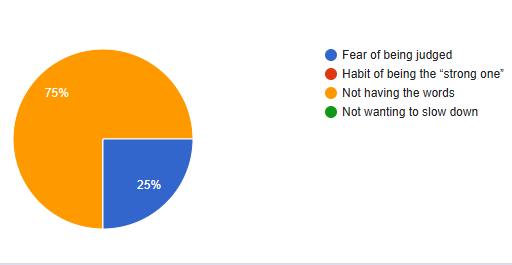
Last week, we asked you what makes it difficult to acknowledge your feelings sometimes, and the responses were… (drumroll please)…
With care and compassion,
The Social Therapist
—
Reply