- ABC of Mental Health
- Posts
- Debunking The Myth of Being Organised

Hello! Welcome to another edition of ABC of Mental Health, your partner in the journey to better mental health, one newsletter at a time.
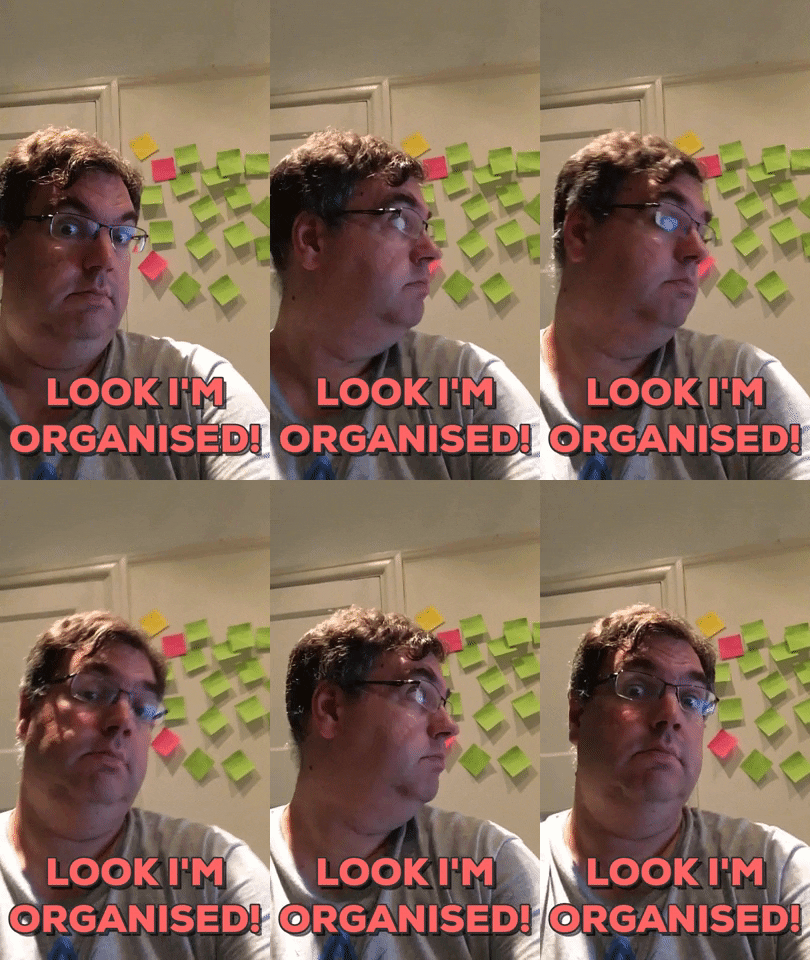
Executive dysfunction often disguises itself as “laziness”, and we’re taught that organisation is about discipline, willpower, or character. But often, difficulty with organisation is tied to overwhelm, capacity, emotional load, and the nervous system’s state, not personal failure. In this edition, we will try to explore the idea of being organised from another lens.
If you like what you read here, click to share this newsletter via WhatsApp today! 😊
One relevant recommendation:
The “What’s My Real Task?” Activity (2-minute check-in)
Most people with it don’t struggle with doing tasks; they struggle with starting, sequencing, and switching. Try this 2-minute check-in:
Pick one task you’ve been postponing.
Ask: What is the real first step? (Not “clean my room”, but “pick up one item”. Not “file taxes”, but “open the folder”.)
Ask: What is the obstacle — information, energy, clarity, or overwhelm?
Choose a 30-second action that reduces the obstacle, not completes the task.
After 30 seconds, pause. If you can continue, great. If not, the system is still working.
This resets the brain’s overwhelm response and supports motivation through micro-momentum.
Two Quotes on Being Organised:
Ned Hallowell, an ADHD expert, speaks on how feeling overwhelmed can influence organisation:
“The issue is not the inability to organise. It’s the inability to organise when overwhelmed.”
Ari Tuckman, a psychologist, spoke about how organisation means creating tools that work with your body:
“Organisation isn’t about perfection. It’s about creating systems that work for your real life.”
Three TherapyShorts from TST
Maybe You’re Not Disorganised: You’re at Overcapacity?
Before calling yourself “disorganised”, pause and ask, “What is the load I’m carrying right now?” When responsibilities, stress, emotions, or exhaustion pile up, the brain naturally shifts into survival mode. What looks like chaos is often a sign of a tired nervous system protecting you. Instead of forcing yourself to “fix it”, try acknowledging the weight you’ve been holding. A softer approach creates more movement than self-criticism ever could. Sometimes the best step toward organisation is recognising how much you’ve survived.Before the Organisation Comes Capacity
Organisation relies on sequencing, starting, and follow-through of activities, the very skills that go offline when you have too much on your plate. This isn’t about being “bad with habits”; it’s your brain hitting fog. Things around you may look messy even though you care deeply. Instead of pushing yourself to “just do it,” try to make tasks feel more manageable by breaking them into smaller steps, adding visual cues to help you stay on track, working with someone nearby for motivation, or using soft, friendly timers to ease into the task. Compassion builds more structure than pressure.
Maybe “Disorganisation” Is a Survival Strategy
For many people, what looks like disorganisation is actually a survival pattern. If you grew up in unpredictable or critical environments, an organisation might feel overwhelming or even threatening. A childhood where mistakes had consequences can make adult tasks trigger shame or freeze responses. Keeping things visible may be your way of preventing loss; avoiding tasks may protect you from criticism; shutting down may be the safest option your system has learned. Instead of asking “What’s wrong with me?” ask “What kept me safe back then that still shows up now?” Understanding these patterns transforms disorganisation from a flaw into a story of resilience.
A QUICK QUESTION…
What does your relationship with being organised most feel like? Vote here!
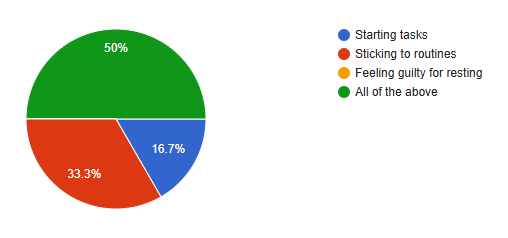
Last week, we asked you what feels hardest to do when motivation dips, and the responses were… (drumroll please)…
With care and compassion,
The Social Therapist
—
You’re receiving this email because you showed an interest in therapy, mental health, and/or well-being at The Social Therapist. If at any point you’d like to stop receiving this weekly newsletter aimed at improving mental health, please feel free to unsubscribe below. We’d hate to see you go, but we completely respect your decision to leave :)
Reply