- ABC of Mental Health
- Posts
- Grieving the Life You Thought You’d Have by Now
Grieving the Life You Thought You’d Have by Now
ABC of Mental Health

Shiromi Chaturvedi
January 15, 2026

Hello! Welcome to another edition of ABC of Mental Health, your partner in the journey to better mental health, one newsletter at a time.
This week, we’re touching something tender: grieving the life you thought you’d have by now. This includes the age you imagined you’d be married; the career you thought you’d be settled in; the version of yourself you assumed would have “figured it out.” This grief is quiet, often invisible, and deeply real. Let’s talk about it.
If you like what you read here, click to share this newsletter via WhatsApp today! 😊
One relevant recommendation:
Name the Grief - Without Judging It (2 minute activity)
Name what you’re grieving: a timeline, a role, a version of certainty
Write it down without correcting yourself or adding positivity
Remind yourself: grief doesn’t need permission to exist
Many people dismiss this feeling by saying, “Others have it worse” or “I should be grateful.” But unacknowledged grief doesn’t disappear, it just shows up as numbness, irritability, or self-doubt. You’re not being dramatic. You’re being honest.
Two Quotes That Hold This Gently:
Elisabeth Kübler-Ross, a renowned Psychiatrist and pioneer of grief work, explains:
“Grief is not a disorder, a disease or a sign of weakness. It is an emotional, physical and spiritual necessity; the price you pay for love.”
Psychotherapist, best-selling author, psychotherapist, podcaster, and grief advocate Megan Devine says:
“Grief doesn’t need to be fixed. It needs to be witnessed.”
Three TherapyShorts from TST:
Grief comes in all shapes and forms
Grief doesn’t only show up when someone dies. Sometimes it arrives quietly, when you realize your life doesn’t look the way you once imagined it would. You might be grieving a timeline, a role, a relationship, or a sense of certainty you expected to have by now. This kind of grief often goes unnoticed because you’re still “functioning”- working, studying, showing up. But just because it’s invisible doesn’t mean it isn’t real. Allowing yourself to acknowledge this loss is not self-pity; it’s self-honesty. You’re not broken for feeling this way, you’re human.Timelines are socially inherited, NOT universal
Much of the pain in this grief comes from comparing your life to timelines handed down by family, culture, and social media. By a certain age, you’re told you should be settled, partnered, financially stable, or emotionally sorted. But these timelines rarely account for mental health struggles, caregiving roles, uncertainty, or life disruptions. Falling “behind” often just means your path has been shaped by different circumstances, not that you’ve failed. Your life is unfolding in response to your reality, not a checklist. Growth isn’t linear, and there is no universal clock you’re supposed to follow.
Grief often hides self-blame
Underneath the sadness of unmet expectations, there’s often a harsh inner voice saying, “I should have done better,” or “Something is wrong with me.” This turns grief into self-judgment. But needing more time, rest, healing, or clarity does not mean you lack ambition or capability. It means you’re listening to your nervous system, your experiences, and your limits. When we stop blaming ourselves for not being “there yet,” we create space for compassion and forward movement. Grief softens when it’s met with kindness instead of criticism.
A QUICK QUESTION…
What do you find yourself grieving most right now? Vote here!
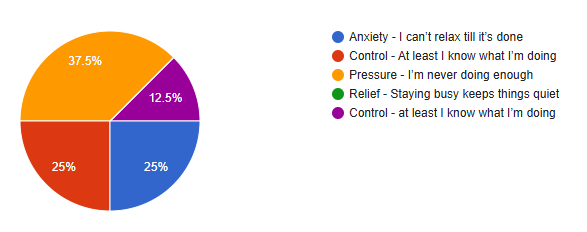
Last week, we asked you when you look at your to-do list, what do you feel most strongly, and the responses were… (drumroll please)…
Grieving the life you imagined doesn’t mean you’ve given up on the future.
It means you’re making space to meet yourself where you are, honestly and compassionately.
With care and compassion,
The Social Therapist
Reply