- ABC of Mental Health
- Posts
- Is Your To-Do List a Trauma Response?


Hello! Welcome to another edition of ABC of Mental Health, your partner in the journey to better mental health, one newsletter at a time.
If your to-do list never seems to end and resting makes you anxious, you’re not lazy, broken, or bad at time management. Sometimes, being constantly busy isn’t about productivity at all. It’s about safety. Read on to find out more.
If you like what you read here, click to share this newsletter via WhatsApp today! 😊
One relevant recommendation:
The “Why Am I Doing This?” Pause (2 minute activity)
Before adding something new to your to-do list, try this short check-in by asking yourself:
Am I doing this because it truly matters right now?
Or because slowing down makes me uncomfortable?
What do I fear might happen if I don’t do this today?
You don’t need to stop being productive. Just notice what’s driving the urgency, purpose, or protection? Awareness alone can soften the grip of compulsive busyness.
Two Quotes on Productivity & Self-Worth:
Gabor Maté, physician and trauma expert, reminds us how survival strategies can disguise themselves as strengths:
“Trauma is not what happens to you. Trauma is what happens inside you as a result of what happens to you.”
Ellen Sue Stern, experienced relationship coach and seasoned media presence, states:
"In a society that judges self-worth on productivity, it's no wonder we fall prey to the misconception that the more we do, the more we're worth."
Three TherapyShorts from TST
“If I Stop, Everything Will Fall Apart”
This is something I hear all the time in the therapy room. Clients tell me they don’t rest because rest feels risky like something bad might happen if they slow down. Often, when we explore their history, we find long periods where being alert, responsible, or “on top of things” was necessary for survival. So the to-do list isn’t about ambition, it’s about control and safety. When life once felt unpredictable, staying busy became the way to stay okay. Understanding this helps us soften toward ourselves instead of pushing harder.Productivity as a Way to Not Feel
Many people come to therapy saying, “I don’t know how to relax,” and what they really mean is, “I don’t know how to sit with myself.” Being busy keeps difficult emotions at bay, grief, anger, emptiness, fear. I’ve had clients realise that the moment they stop doing, their body starts feeling. And that can be scary. Busyness isn’t always about getting things done; sometimes it’s about staying away from what hurts. In therapy, we work on slowing down safely, not all at once.
Rest Doesn’t Need to Be Earned
One belief I gently challenge in sessions is: “I’ll rest once everything is done.” The truth is, everything is never done. This belief often comes from growing up where love, safety, or approval was conditional. So rest had to be earned. Over time, we work on helping the nervous system learn something new: rest is not laziness, and it’s not a reward. It’s a need. When clients start resting without guilt, even in small ways, they don’t become less productive. They become more regulated.
A QUICK QUESTION…
When you look at your to-do list, what do you feel most strongly? Vote here!
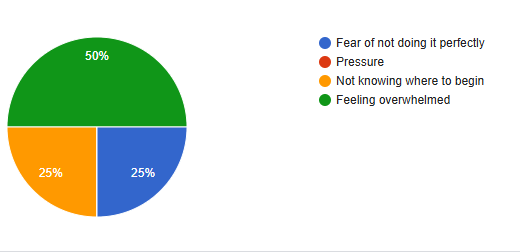
Last week, we asked you what usually slows you down at the start of something new, and the responses were… (drumroll please)…
With care and compassion,
The Social Therapist
—
You’re receiving this email because you showed an interest in therapy, mental health, and/or well-being at The Social Therapist. If at any point you’d like to stop receiving this weekly newsletter aimed at improving mental health, please feel free to unsubscribe below. We’d hate to see you go, but we completely respect your decision to leave :)
Reply