- ABC of Mental Health
- Posts
- Staying sane in a world that feels on fire


Hello! Welcome to another edition of ABC of Mental Health, your partner in the journey to better mental health, one newsletter at a time.
In today’s world, news of conflict and war reaches us instantly. While many of these events may feel distant, their emotional impact can be very real. In this edition, we explore what it means to live in a world where conflict is part of the daily news cycle, and how it affects our mental well-being. More importantly, we share practical ways to protect your mental health, manage stress, and cultivate resilience, even when the world around us feels uncertain.
If you like what you read here, click to share this newsletter via WhatsApp today! 😊
One relevant recommendation:
Decompress with someone you trust (10-15 minute activity)
Choose a friend, family member, or colleague you feel comfortable talking to. Decide on a consistent time (for example, once a week or every few days) to talk to. Even 10 to 15 minutes is enough. It could be through a phone call, a short walk together, grabbing coffee, or a quick video chat.
Use the time intentionally to share what’s been on your mind, listen to the other person and talk about things that may be stressing or worrying you. You might already talk to people regularly, but doing it with the intention to check in with each other can make it more meaningful and helpful.
Two Quotes on Mental Strength:
Stephen Covey, author, educator, and motivational speaker, asserts that people cannot always control external events, but they can choose how they respond to them:
“Happiness, like unhappiness, is a proactive choice.”
Mark Twain, pen name of American writer, humorist, and lecturer, highlights that bravery comes from facing fear rather than eliminating it:
“Courage is resistance to fear, mastery of fear, not absence of fear.”
Three TherapyShorts from TST:
Your Nervous System Isn’t Designed for Constant Crisis
Historically, humans experienced threats locally and temporarily. Today we absorb wars, disasters, and tragedies happening thousands of miles away and every hour at that. A client recently told me: "It feels like the whole world is my responsibility." Your nervous system interprets constant alarming headlines as immediate danger. Limiting exposure isn’t ignorance; it’s regulation.
Caring About the World Shouldn’t Destroy Your Wellbeing
Many empathetic people feel guilty when they take a break from the news. But emotional burnout doesn’t help anyone. Think of it like oxygen masks on aeroplanes: you regulate yourself so you can stay compassionate without collapsing. Caring deeply and protecting your peace can exist at the same time.
Small Acts Restore a Sense of Agency
Conflict often creates powerlessness. Instead of carrying the weight of everything, focus on small circles of impact:
checking in on a friend
supporting a local cause
volunteering
donating when possible
A client recently said to me, "I couldn’t fix the world, but making dinner for my neighbour whose family was stuck in the war region made me feel human again." Agency restores emotional balance.
A QUICK QUESTION…
How do you cope when the world feels overwhelming? Vote here!
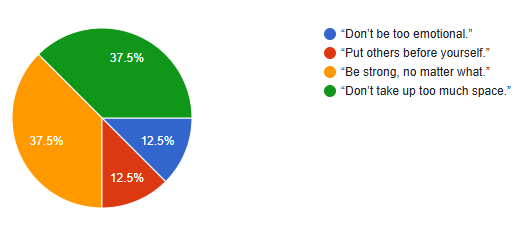
Last week, we asked you which message about gender shaped you the most growing up, and the responses were… (drumroll please)…
With care and compassion,
The Social Therapist
Reply