- ABC of Mental Health
- Posts
- Summer Bodies: A Rulebook No One Agreed To


Hello! Welcome to another edition of ABC of Mental Health, your partner in the journey to better mental health, one newsletter at a time.
As summer approaches, a familiar phrase begins to circulate: “Get your summer body ready.” Suddenly, bodies become projects, something to shrink, tone, hide, or perfect before the season arrives. But bodies don’t actually change their worth with the weather. What changes is the pressure around them.
If you like what you read here, click to share this newsletter via WhatsApp today! 😊
One relevant recommendation:
The “Body Neutrality” Practice (5 minute check-in)
Instead of forcing yourself to love your body every day, try practising body neutrality. Body neutrality shifts the focus from appearance to experience. Instead of asking, “How does my body look today?” try asking:
What did my body help me do today?
What sensations tell me I need rest or movement?
How can I support my body instead of judging it?
Research shows that focusing on function rather than appearance can reduce body dissatisfaction and improve emotional well-being. Your body doesn’t have to be loved every moment to be respected and cared for.
Two Quotes on Bodies and Self-Worth:
Sonya Renee Taylor, author of The Body Is Not an Apology, reminds us that bodies don’t need approval to exist:
“You do not have to love your body to believe that it deserves respect.”
Olakemi, plus-size model and body-positivity advocate, known for promoting self-acceptance, confidence, and representation of diverse body types:
“Remember that our bodies are always changing, and that’s okay. What’s really unhealthy is trying to fit into an unrealistic norm of what is seen as perfect.”
Three TherapyShorts from TST:
The Seasonal Pressure of Visibility
Summer doesn’t just bring heat, it brings visibility. Lighter clothing, vacations, social media photos, and comments about appearance can make people feel suddenly “on display.” For many, this activates body monitoring: checking, comparing, adjusting posture, or avoiding situations altogether. Psychologists call this self-objectification when we begin to see our bodies through the imagined eyes of others. The nervous system shifts from safety to evaluation mode. The problem isn’t your body; it’s the pressure to perform in it. Sometimes the most radical act of care is allowing your body to exist with comfort, without commentary. Instead of asking “How do I change my body before summer?” try asking “How can I support my body through summer?”
The problem with the “thin ideal”
The idea of the “thin ideal” isn’t just about beauty preferences. From a capitalist perspective, the thin ideal helps sustain consumer industries. By promoting a narrow and often unattainable body standard, industries like fashion, dieting, fitness, and cosmetics create a constant sense of inadequacy. This drives people to keep buying products and services in pursuit of that ideal. In this sense, the body becomes a site of profit-making. The thin ideal isn’t neutral: it’s embedded in systems that shape whose bodies are accepted, visible, and rewarded.
Comfort Is a Psychological Experience
Feeling comfortable in your body isn’t just physical, it's psychological safety. When you feel judged, compared, or criticised, the nervous system becomes alert and protective. You may shrink yourself, cover up, or avoid spaces entirely. But comfort grows in environments where bodies are allowed to exist without scrutiny. Sometimes the most healing shift isn’t changing your body, it's changing the conversation around it. Seek spaces, relationships, and inner dialogue that treat your body as something to live in, not something to constantly improve.
A QUICK QUESTION…
When summer approaches, what affects your relationship with your body the most? Vote here!
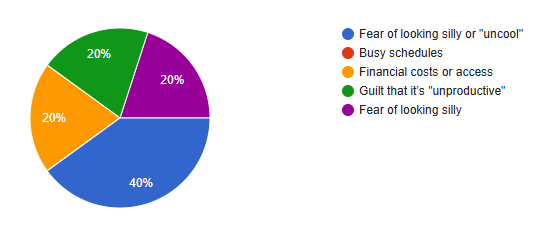
Last week, we asked you what stops you from trying something new, and the responses were… (drumroll please)…
With care and compassion,
The Social Therapist
Reply